Storm Preparedness and Roof Repair in Redwood City
Call Grace Roofing in Redwood City for expert storm-prepared roof repair and inspections. Learn how to protect your home with free consultations and fast service.
Atmospheric rivers and winter storms bring much-needed rain to the Bay Area, but they also expose weak spots in aging roofs across Redwood City, San Mateo, and the Peninsula. When heavy downpours arrive after months of dry weather, missing shingles, worn flashing, and clogged gutters can turn into urgent leaks that threaten ceilings, insulation, and personal belongings. Grace Roofing helps homeowners prepare their roofs before storm season and respond quickly when leaks appear, offering free roofing consultations and clear guidance on repair, reroofing, and emergency protection throughout the Bay Area.
Why Bay Area Roofs Are Vulnerable During Storm Season
The Peninsula's Mediterranean climate creates a distinct cycle of stress for residential roofs. Dry summers bake asphalt shingles under UV exposure, making them brittle and less flexible. When October arrives and the first atmospheric river sweeps in from the Pacific, roofs transition abruptly from bone-dry conditions to sustained downpours. Shingles that have lost granules or curled at the edges may crack under thermal expansion, while flashing around chimneys and vent pipes can separate from the roof deck after months of heat cycling.
Neighborhoods near the bay, including parts of Redwood Shores and Foster City, also contend with salt air that accelerates corrosion on metal flashing and fasteners. Homes tucked into the hills of Woodside and Portola Valley face additional challenges from overhanging tree branches that drop leaves, needles, and debris into valleys and gutters. When storms arrive, blocked drainage channels overflow, sending water under shingle edges and into attic spaces where it can soak insulation and rot roof decking.
Common Storm-Related Roof Issues in Redwood City and Surrounding Areas
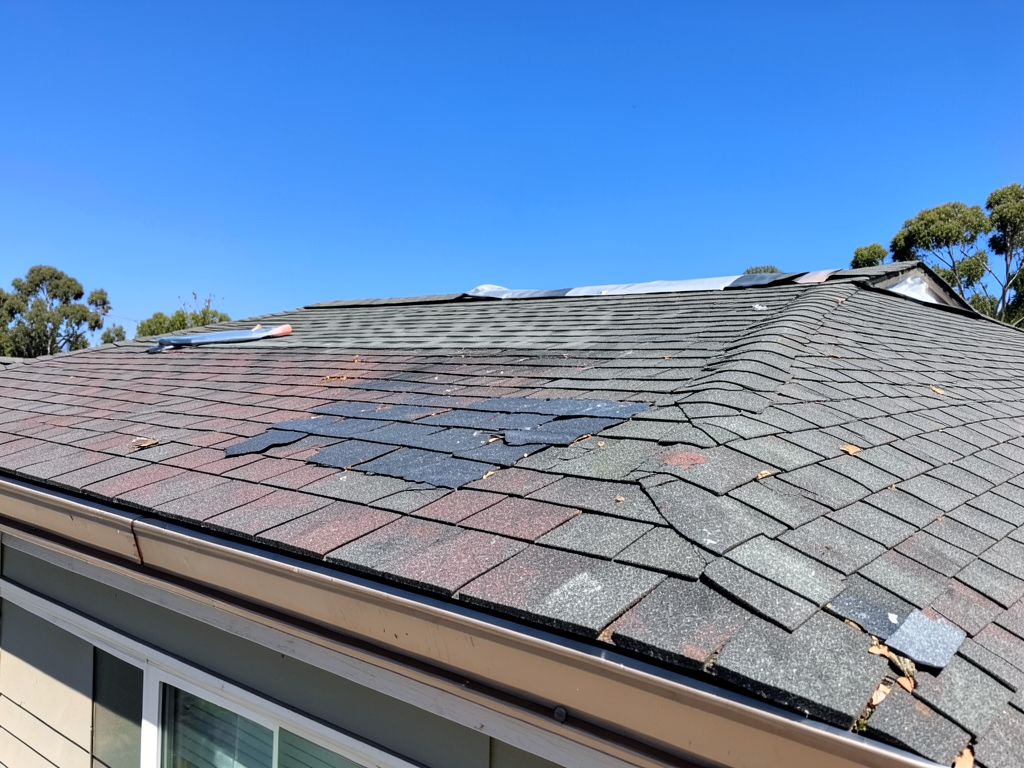
- Missing or lifted shingles: Wind gusts preceding atmospheric river systems can peel back shingles that were already loose or nearing the end of their lifespan, creating openings for water infiltration.
- Flashing failures: Step flashing along walls, counterflashing around chimneys, and boot seals on vent pipes often degrade faster than the shingles themselves, allowing water to run behind the roofing material.
- Clogged valleys: Leaves and pine needles accumulate in roof valleys during dry months, then dam up water during storms, forcing it sideways under shingles and into the underlayment.
- Saturated underlayment: Older homes may have felt paper rather than synthetic underlayment, which can absorb water if shingles above it fail, leading to interior drips even after rain stops.
- Ice dam analogs: While true ice dams are rare in the Bay Area, inadequate attic ventilation can trap moisture during prolonged rain events, encouraging mold growth and wood rot in the roof structure.
Grace Roofing provides roof inspections that identify these vulnerabilities before storm season, giving homeowners time to schedule preventive repairs or plan a full reroof if the existing system is too worn to weather another wet winter.
Pre-Storm Roof Preparation for Peninsula Homeowners
The best defense against storm damage is proactive maintenance during the dry months. Between May and September, when rain is rare and temperatures are mild, homeowners can address minor issues before they escalate into emergency leaks. A thorough walkthrough by a licensed roofing professional will reveal curled shingles, exposed fasteners, and soft spots in the decking that might not be visible from the ground.
Essential Pre-Season Tasks
- Clear debris from gutters and downspouts: Remove leaves, twigs, and moss that accumulated during summer, ensuring water can flow freely away from the roofline and foundation. Homes near Edgewood Park or along tree-lined streets in San Carlos often need gutter cleaning twice a year.
- Inspect and seal flashing: Check metal flashing around chimneys, skylights, and dormers for rust, separation, or missing sealant. Re-caulk or replace sections that show gaps or corrosion.
- Replace cracked or missing shingles: Even a handful of damaged shingles can create entry points for water during a heavy storm. Matching shingles from the same manufacturer and color lot ensures a weathertight seal.
- Verify attic ventilation: Balanced intake and exhaust vents prevent moisture buildup during rainy periods, protecting insulation and roof framing from rot and mold.
- Trim overhanging branches: Limbs that brush against the roof can abrade shingles and drop debris into valleys. A professional arborist can remove hazards without damaging the roofing surface.
If repairs reveal widespread wear or multiple layers of old roofing material, a complete reroofing project may be the more cost-effective choice, especially for homes built before 2000 that are approaching the 20- to 25-year lifespan of standard three-tab or architectural shingles.
What to Do When Your Roof Leaks During a Storm
Even well-maintained roofs can develop sudden leaks during intense atmospheric river events that deliver inches of rain in a matter of hours. When water starts dripping through a ceiling or running down an interior wall, quick action inside the home can limit damage while waiting for professional help.
Safe Interior Steps for Active Leaks
- Move valuables and furniture: Relocate electronics, documents, and upholstered items away from the drip zone to prevent water damage and electrical hazards.
- Contain dripping water: Place buckets, plastic bins, or waterproof tarps under active leaks. Punch a small hole in a bulging ceiling to relieve pooled water in a controlled manner, directing the stream into a container.
- Document the damage: Take photos and videos of the leak location, water stains, and any visible exterior damage. This documentation supports insurance claims and helps the roofing crew diagnose the problem.
- Turn off electricity: If water is dripping near light fixtures, outlets, or ceiling fans, switch off the circuit breaker for that area to prevent shock hazards.
- Call for emergency roof protection: Contact Grace Roofing at (415) 408-6043 for urgent leak response. The company is available seven days a week, 8 AM to 8 PM, and can provide temporary protection guidance or schedule a same-day visit when weather permits.
Never climb onto a wet roof during a storm. Slippery shingles, poor visibility, and wind gusts create serious fall risks. Professional roofing crews have the safety equipment and training to work on steep, wet surfaces and can apply temporary tarps or plastic sheeting to stop water intrusion until permanent repairs are completed.
Common Leak Sources and Emergency Fixes
- Pipe boot failures: Rubber or plastic boots around plumbing vents crack over time, allowing water to run down the pipe into the attic. A temporary seal with roofing cement can hold until a new boot is installed.
- Valley leaks: Debris dams force water sideways under shingles. Clearing the obstruction and applying a waterproof membrane or metal valley liner stops the flow.
- Lifted shingles: Wind-blown shingles expose underlayment and fasteners. Weighted tarps or temporary adhesive strips keep water out until replacement shingles can be nailed down.
- Skylight flashing: Improperly sealed or aged skylight flanges leak around the frame. Tarping over the skylight and applying exterior-grade sealant provides short-term relief.
Grace Roofing offers emergency roof protection services that include damage documentation, temporary weather barriers, and repair consultations to help homeowners decide whether a targeted fix or full roof replacement is the right path forward.
Understanding Atmospheric River Patterns on the Peninsula
Atmospheric rivers are narrow bands of concentrated moisture that originate over the Pacific and funnel tropical water vapor toward California. When these systems stall over the Bay Area, they can deliver several inches of rain in 24 to 48 hours, overwhelming drainage systems and exposing roof weaknesses that went unnoticed during lighter showers.
Homes in Menlo Park, Atherton, and Palo Alto often experience localized flooding when storm drains back up, but roof-related water damage is just as common. Flat or low-slope sections, common on mid-century ranch homes and additions, are particularly vulnerable because water pools rather than shedding quickly. Shingle roofs with pitches below 4:12 require extra care with underlayment and flashing to prevent wind-driven rain from working its way under the roofing material.
Seasonal Timing and Preparation Windows
October typically marks the start of the wet season, though the first significant storms may not arrive until November. Homeowners should schedule roof inspections and maintenance by late September to avoid the scheduling rush that follows the first forecast of heavy rain. Reroofing projects are best completed during the dry months, when crews can safely strip the old roof, inspect and repair decking, and install new shingles without risk of rain exposure.
Spring storms in March and April can surprise homeowners who assume the worst weather has passed. A roof that survived December and January may develop new leaks as aging shingles fatigue under repeated wetting and drying cycles. Post-storm inspections after each major atmospheric river event help catch incremental damage before it compounds into a costly repair.
Flashing and Penetration Details That Fail First
Shingles get most of the attention during roof discussions, but flashing and penetration seals are often the first components to fail during heavy rain. These metal and rubberized elements direct water away from vulnerable joints where the roof plane changes direction or intersects with vertical structures.
Critical Flashing Zones
- Chimney counterflashing: The metal cap that overlaps step flashing and shingles can separate from the masonry as mortar joints deteriorate, creating a channel for water to run down the chimney exterior and into the attic.
- Sidewall step flashing: Where a roof meets a vertical wall, individual pieces of L-shaped metal interweave with shingles. If any piece is missing, bent, or improperly lapped, water flows behind the siding and into the wall cavity.
- Dormer and bay window flashing: Complex roof geometry around dormers requires precise flashing installation. Gaps or inadequate sealant allow water to bypass the shingle layer entirely.
- Skylight curb flashing: Factory-installed skylight kits include flashing kits, but improper integration with the underlayment and shingles is a common installation error that manifests as leaks years later.
- Vent pipe boots: EPDM rubber boots last 10 to 15 years before UV exposure and thermal cycling cause cracking. All-metal boots or retrofit collars offer longer service life in the Bay Area's climate.
During a free roofing consultation, Grace Roofing inspects these details and provides photo-based findings when available, giving homeowners a clear understanding of which components need immediate attention and which can wait until the next planned maintenance cycle.
When Storm Damage Calls for Full Roof Replacement
A single leak doesn't always mean the entire roof has failed, but recurring leaks in multiple locations, widespread shingle loss, or sagging roof planes indicate that repairs are no longer a viable long-term solution. Homes in Burlingame, San Mateo, and Redwood City that were reroofed in the late 1990s or early 2000s are now reaching the end of their expected lifespan, and a significant storm can be the final stressor that pushes an aging system past the point of repair.
Signs That Reroofing Is the Right Choice
- Multiple leaks after a single storm: If water is entering through three or more locations, the underlayment and decking may be compromised, making targeted repairs a temporary fix at best.
- Visible shingle deterioration across the entire roof: Widespread granule loss, curling, and brittleness mean the protective asphalt coating has worn away, leaving the fiberglass mat exposed to UV and moisture.
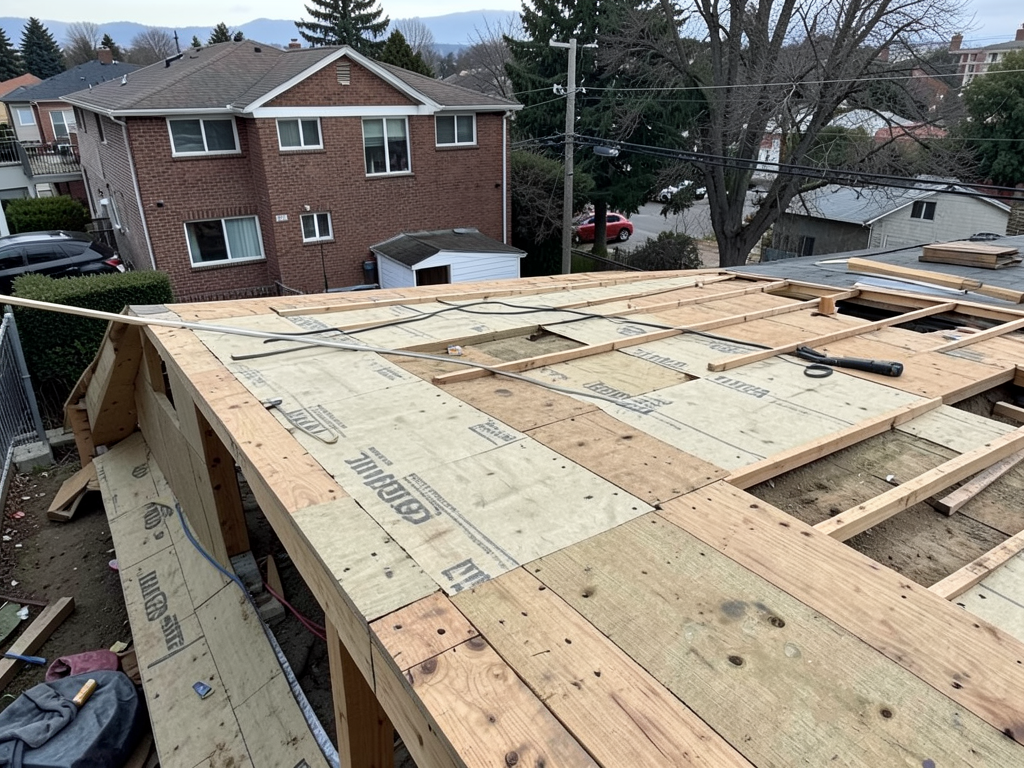
- Soft or spongy decking: When walking on the roof feels unstable or crews discover rot during a repair, the plywood or OSB sheathing needs replacement, which is most cost-effective as part of a full tear-off.
- Two or more existing layers: California building code typically allows a maximum of two layers of asphalt shingles. If a third layer is needed, the old material must be removed entirely, providing an opportunity to upgrade ventilation, flashing, and underlayment.
- Upcoming home sale or refinance: Appraisers and home inspectors note roof condition prominently. A new roof installed before listing can increase property value and eliminate a common buyer objection.
Grace Roofing explains scope, project fit, timing, and next steps in plain language, helping homeowners understand whether targeted roof repairs will extend the roof's life or whether a complete tear-off and replacement delivers better long-term value.
Post-Storm Roof Recovery and Inspection
After an atmospheric river passes and skies clear, a visual inspection from the ground can reveal obvious damage such as missing shingles, displaced flashing, or debris accumulation. However, many storm-related issues are subtle and require a professional walkthrough to identify. Water stains on interior ceilings may not appear for days or weeks after a leak, as trapped moisture slowly migrates through insulation and drywall.
What to Look For After Heavy Rain
- Granules in gutters and downspouts: A small amount of granule loss is normal, but heavy accumulation after a storm suggests advanced shingle wear.
- Damp spots in the attic: Check the underside of the roof deck for dark stains, mold, or wet insulation, especially around chimneys, vents, and skylights.
- Sagging roofline: A dip or depression in the roof plane indicates structural damage that may have been worsened by water infiltration during the storm.
- Loose or displaced gutters: Heavy rain can pull gutters away from the fascia, allowing water to run down exterior walls and into the foundation.
- Interior ceiling stains: Yellow or brown discoloration is a clear sign of water intrusion, even if the leak has temporarily stopped.
Grace Roofing responds to new inquiries within one hour during business hours, making it easy for Peninsula homeowners to schedule a post-storm consultation before the next weather system arrives. Operating under RB Master Builder (CA License #1065203), the company provides licensed contractor backing and clean jobsite protection with debris hauling and cleanup for every project.
Protecting Your Redwood City Home Before the Next Storm
Storm preparedness is an ongoing process, not a one-time task. Annual roof inspections during late summer, combined with prompt repairs of any identified issues, keep homes in Redwood City, San Mateo, Palo Alto, and across the Peninsula ready for whatever the Pacific throws at them. Homeowners who address minor problems early avoid the stress and expense of emergency repairs during the height of storm season.
Grace Roofing offers free roofing consultations for qualified projects, giving homeowners expert guidance on repair versus replacement decisions, project timelines, and the components that matter most for Bay Area weather resistance. Whether you need a condition walkthrough, leak-prone area review, or full replacement planning, the team is available seven days a week from 8 AM to 8 PM.
If your roof showed signs of stress during the last storm or you want to prepare before the next atmospheric river arrives, call Grace Roofing at (415) 408-6043 or book a free consultation online at https://www.graceroofingbayarea.com/book. Based at 570 El Camino Real in Redwood City and serving homeowners within 50 miles across the Peninsula, South Bay, East Bay, and San Francisco, Grace Roofing delivers fast follow-up, clear communication, and roofing-first service when your home needs it most.
Get a free roofing consultation
Grace Roofing serves Redwood City and the wider Bay Area within 50 miles. Call (415) 408-6043 or book online.
Book a Free Consultation