Roof Decking and Underlayment in Redwood City
Discover the importance of roof decking and underlayment in Redwood City with Grace Roofing. Learn how proper installation protects your home. Call for a free consultation.
Roof decking and underlayment form the structural foundation of every residential roofing system, yet most homeowners never see these critical components until a reroofing or replacement project begins. Grace Roofing helps Bay Area homeowners understand what lies beneath their shingles, why decking and underlayment condition matters, and how proper installation protects homes across Redwood City, San Mateo, Palo Alto, and the Peninsula for decades to come. Whether you're planning a reroof, responding to a leak, or preparing for a home inspection, knowing the role of these hidden layers helps you make informed decisions about your roof system.
What Is Roof Decking and Why Does It Matter?
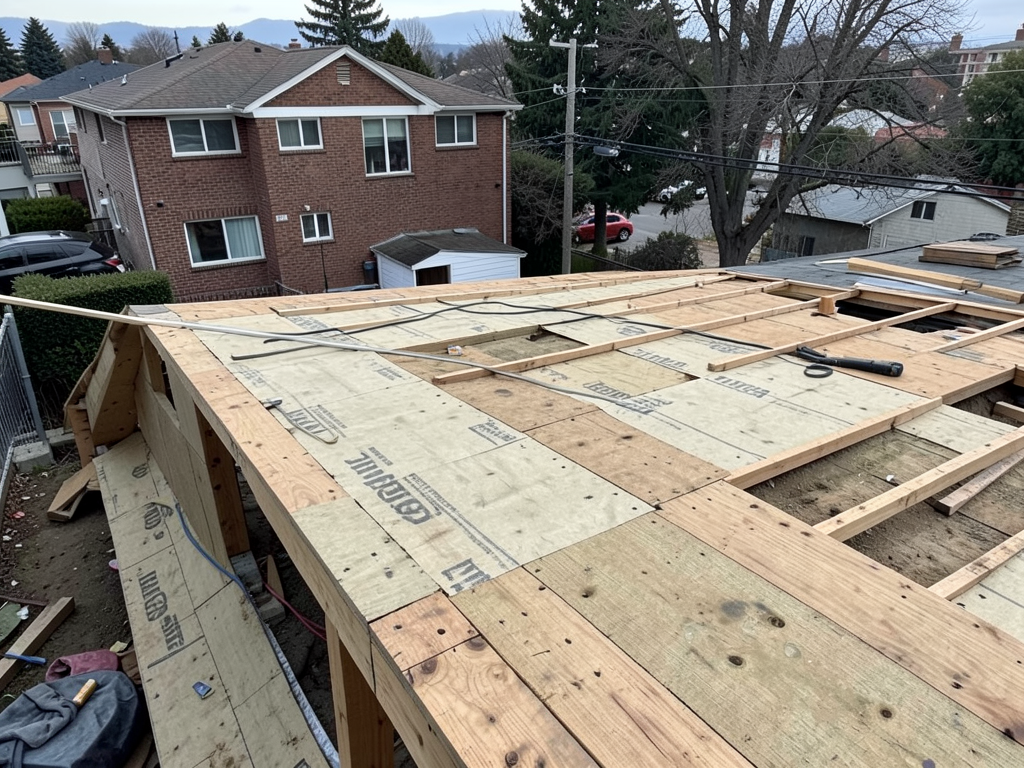
Roof decking is the solid structural surface fastened to your roof rafters or trusses. In the Bay Area, most residential homes use either plywood or oriented strand board (OSB) panels, typically half-inch or five-eighths-inch thick. This decking layer provides the nailing surface for shingles, supports the weight of roofing materials, and transfers wind and structural loads to the framing below.
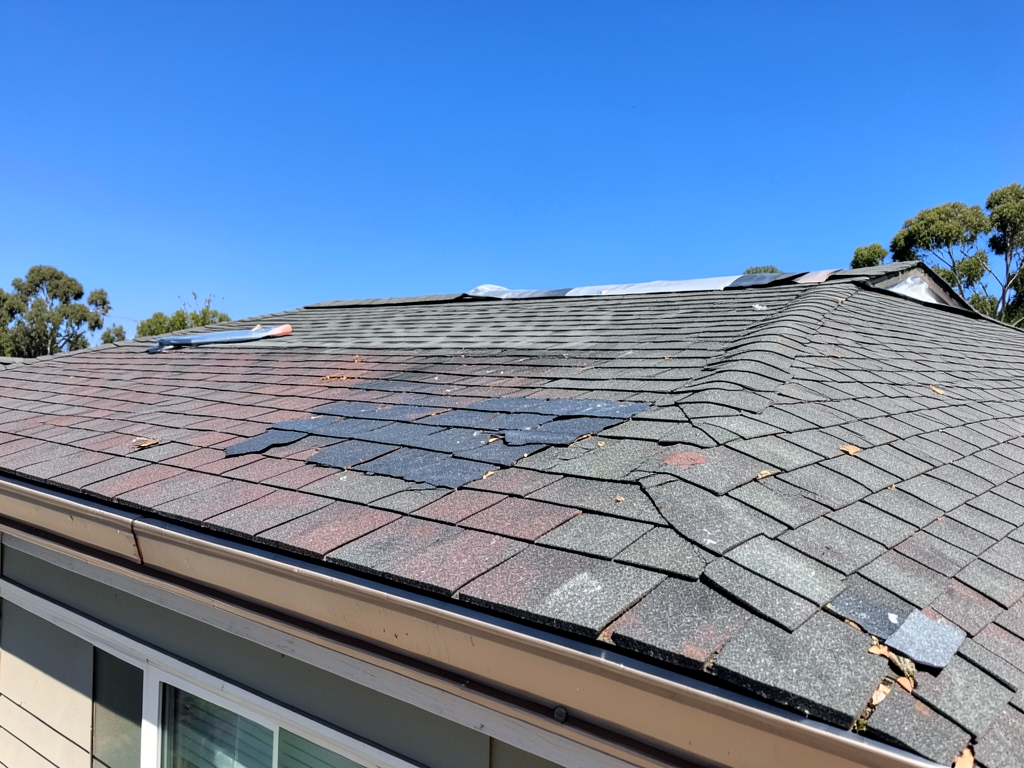
Decking condition directly affects roof performance. Compromised decking can lead to sagging, soft spots, nail pop-through, and shingle failure. During wet Bay Area winters, moisture intrusion from leaks or condensation can cause wood decking to swell, warp, or rot. Homes in neighborhoods like Emerald Hills, Menlo Park, and the Sunset District often face prolonged fog and shade, creating conditions where undetected leaks accelerate decking damage.
Signs Your Roof Decking May Need Attention
- Visible sagging or dips: Standing back from your home and looking at the roofline, any visible sag or uneven profile may indicate compromised decking or framing.
- Interior water stains: Stains on ceilings or along rafters in the attic suggest moisture has penetrated the underlayment and reached the decking.
- Soft spots when walking: If roofers or inspectors report bouncy or spongy areas during a roof evaluation, the decking beneath those zones has likely deteriorated.
- Nail blow-through: When decking loses structural integrity, fasteners can pull through, causing shingles to lift or tear in high winds.
- Mold or dark streaking in the attic: Persistent moisture exposure from leaks or inadequate ventilation leads to mold growth on the underside of decking.
Grace Roofing evaluates decking condition during every roof inspection and reroofing consultation. When partial replacement is necessary, the scope, timing, and cost are explained in plain language so homeowners understand exactly what work is required and why.
Understanding Roof Underlayment: The Weather Barrier Between Decking and Shingles
Roof underlayment is a water-resistant or waterproof membrane installed directly over the decking before shingles go down. It serves as a secondary weather barrier, shedding water that penetrates through or around shingles during wind-driven rain, ice damming, or aging shingle failures. In the Bay Area, where atmospheric river storms can deliver intense rainfall and gusty winds, quality underlayment provides essential backup protection.
Common Underlayment Types for Bay Area Homes
- Asphalt-saturated felt (15-pound or 30-pound): Traditional underlayment made from organic or fiberglass mat saturated with asphalt. It has been used for decades and remains code-compliant in many applications, but it tears more easily during installation and offers less long-term durability than synthetic alternatives.
- Synthetic underlayment: Made from woven or spun polyethylene or polypropylene, synthetic underlayment is lighter, stronger, and more resistant to tearing and UV exposure. It typically carries a longer warranty and performs better in wet conditions, making it a popular choice for Peninsula and South Bay reroofing projects.
- Self-adhering membrane: Rubberized asphalt membranes with a peel-and-stick backing are often used in valleys, at eaves, around chimneys, and along other vulnerable areas. These products create a watertight seal and are especially valuable in high-exposure zones near San Francisco and along the coast.
Underlayment choice affects both immediate protection and long-term roof performance. Grace Roofing discusses underlayment options during the consultation, considering roof pitch, exposure, shingle type, and homeowner preferences.
How Decking and Underlayment Work Together During a Reroof
When a full tear-off and reroofing project begins, removing old shingles exposes the existing decking and underlayment. This is the only opportunity to inspect, repair, and upgrade these foundational layers before new materials are installed. Homes built in the 1960s and 1970s across Redwood City, San Carlos, and Belmont often have original decking that has served well but may need spot repairs or full replacement in areas affected by decades of moisture exposure or inadequate attic ventilation.
The Reroofing Sequence
- Tear-off: Old shingles, underlayment, and damaged flashing are removed, and debris is hauled away daily to keep the jobsite clean and safe.
- Decking inspection: Every panel is walked and visually inspected. Soft spots, rot, or structural defects are identified and marked for replacement.
- Decking repair or replacement: Damaged sections are cut out and replaced with new plywood or OSB that meets or exceeds local building codes. Fastening and spacing follow manufacturer and code requirements.
- Underlayment installation: New underlayment is rolled out in horizontal courses, overlapping seams to shed water downslope. Valleys, eaves, and penetration areas receive extra protection with self-adhering membranes or ice-and-water shield as needed.
- Flashing and ventilation: Pipe boots, vent flashings, chimney saddles, and ridge vents are installed or upgraded before shingles go down, ensuring every penetration is properly sealed.
- Shingle installation: New asphalt shingles are nailed according to manufacturer specifications, with attention to alignment, exposure, and fastener placement to maximize wind resistance and longevity.
This layered approach ensures that every component works together to protect your home from Bay Area weather patterns, including winter storm surges, spring drizzle, and summer heat that can accelerate aging.
Common Decking and Underlayment Issues in Bay Area Homes
Moisture Damage from Persistent Leaks
Even small leaks around pipe boots, valley flashings, or worn shingles can saturate decking over time. In fog-prone neighborhoods near Pacifica, Daly City, and the coastal Peninsula, prolonged dampness accelerates wood deterioration. Once decking begins to delaminate or rot, it loses its ability to hold fasteners securely, putting the entire roof system at risk.
Inadequate Ventilation Leading to Condensation
Attic ventilation allows hot, moist air to escape during summer and prevents condensation buildup during cooler months. Homes with insufficient ridge vents, soffit vents, or gable vents trap humidity against the underside of the decking, leading to mold growth, warping, and premature aging. Grace Roofing evaluates ventilation during every roof consultation and recommends upgrades when airflow is restricted.
Age-Related Wear and Brittle Underlayment
Older asphalt-saturated felt underlayment becomes brittle and loses its water-shedding capability after two or three decades. During a reroof, removing aged shingles often reveals cracked, torn, or completely deteriorated underlayment that no longer provides any meaningful protection. Upgrading to synthetic underlayment during a reroofing project extends the service life of the entire roof system.
Improper Installation During Previous Roof Work
Underlayment installed without proper overlap, insufficient fastening, or incorrect orientation allows water to migrate beneath shingles and reach the decking. Similarly, decking installed with inadequate fasteners or incorrect panel thickness can fail prematurely under load or during high winds. Grace Roofing prioritizes proper installation techniques and clean jobsite protection to ensure every layer is installed correctly the first time.
When to Replace Decking During a Reroofing Project
Not every reroofing project requires full decking replacement. Many Bay Area homes have structurally sound decking that only needs spot repairs in isolated areas. However, certain conditions warrant more extensive replacement:
- Widespread rot or water damage: If leaks have gone unaddressed for years, moisture may have spread across multiple panels or sections.
- Sagging or structural deflection: When decking or framing has lost its strength, replacement is necessary to restore a safe, code-compliant roof structure.
- Termite or pest damage: Insect activity can compromise wood decking, requiring removal and replacement of affected areas.
- Code upgrades for older homes: Some jurisdictions require upgraded decking thickness or fastening when more than a certain percentage of the roof is replaced. Homeowners should confirm permit requirements with their city building department.
Grace Roofing provides transparent guidance when decking issues are discovered. The scope of replacement, material options, and next steps are explained clearly so homeowners can make informed decisions without pressure or confusion.
How Quality Underlayment Protects Against Bay Area Storm Patterns
The Bay Area's rainy season, typically running from October through April, brings atmospheric river events that can deliver several inches of rain in a short window. Wind-driven rain can push water beneath shingle edges, especially on low-slope sections, around dormers, and along eaves. Quality underlayment acts as the last line of defense, channeling intruding water down and away from the decking until it exits at the roof edge or gutter.
Synthetic underlayment offers superior tear resistance during installation and better performance over time compared to traditional felt. It remains flexible in cold weather, resists UV degradation during delays or phased projects, and provides a more reliable seal around fasteners. For homes in Woodside, Atherton, and Los Altos Hills with complex roof geometries and multiple valleys, investing in premium underlayment reduces the risk of future leaks and extends the interval between reroofing cycles.
Preparing Your Home for a Reroofing Project: What Homeowners Should Know
Understanding the role of decking and underlayment helps homeowners set realistic expectations for project scope, timing, and budget. Here are a few practical steps to prepare:
- Schedule a roof inspection or consultation: Grace Roofing offers free roofing consultations for qualified projects. An experienced roofer will walk your roof, inspect the attic if accessible, and identify any decking or underlayment concerns before work begins.
- Ask about underlayment options: During the consultation, ask whether synthetic underlayment or self-adhering membranes are recommended for your roof pitch, exposure, and climate zone.
- Plan for decking repairs: If your roof is more than 20 years old or has a history of leaks, budget for the possibility of partial decking replacement. Most reroofing projects involve at least some spot repairs.
- Confirm ventilation upgrades: Proper attic ventilation protects decking from the inside. If your home lacks ridge vents or adequate soffit intake, plan to address ventilation during the reroof.
- Understand the timeline: Decking repairs extend project duration slightly, but they are essential for a durable, code-compliant roof. Grace Roofing explains timing and scheduling in plain language so you know what to expect.
Why Grace Roofing Prioritizes Decking and Underlayment Quality
Grace Roofing operates under RB Master Builder (CA License #1065203) and focuses exclusively on roofing-first projects. That means the consultation, schedule, and crew are all aligned around the roof system, not sideline work or distractions. Every reroofing and roof replacement project begins with a thorough decking and underlayment review, and any concerns are documented and discussed before installation begins.
Homeowners across the Peninsula, South Bay, East Bay, and San Francisco rely on Grace Roofing for transparent guidance, fast follow-up, and clean jobsite protection. New inquiries are typically answered within one hour during business hours, and consultations are scheduled promptly so homeowners can move forward with confidence. Whether you're responding to a leak, planning a reroof, or preparing your home for sale, understanding what lies beneath your shingles helps you make informed decisions about one of your home's most important systems.
Ready to Learn More About Your Roof's Foundation?
If you're planning a reroofing project, responding to storm damage, or simply want to understand the condition of your decking and underlayment, Grace Roofing is here to help. Call (415) 408-6043 or book a free consultation at https://www.graceroofingbayarea.com/book. Grace Roofing is available seven days a week, 8 AM to 8 PM, and serves homeowners throughout Redwood City and the Bay Area Peninsula. From decking inspections to full tear-off and replacement, every project receives the same careful attention and plain-language guidance you deserve.
Get a free roofing consultation
Grace Roofing serves Redwood City and the wider Bay Area within 50 miles. Call (415) 408-6043 or book online.
Book a Free Consultation