Asphalt Shingle Roof Lifespan Bay Area Peninsula
Discover the asphalt shingle roof lifespan in Bay Area Peninsula with Grace Roofing. Learn about roof conditions and replacement planning. Call for a free consultation.
Homeowners across the Bay Area Peninsula are watching their roofs age under the combined pressures of winter storms, summer UV exposure, and coastal moisture. Understanding how long your asphalt shingle roof will last in Redwood City, San Mateo, Palo Alto, and surrounding communities helps you plan for replacement before leaks and decking damage force an emergency decision. Grace Roofing works with Peninsula homeowners to assess roof condition, explain realistic service life expectations, and guide replacement planning for properties from Redwood City to San Francisco. If you need clarity on your roof's remaining years or want a professional walkthrough, call (415) 408-6043 or book a free consultation at graceroofingbayarea.com/book—Grace Roofing is available seven days a week, 8 AM to 8 PM, and inquiries are typically answered within one hour during business hours.
Expected Lifespan of Asphalt Shingle Roofs in the Bay Area
Asphalt shingles are the most common residential roofing material across the Peninsula, and their service life depends on several local factors. Manufacturer estimates often cite 20 to 30 years, but actual performance in Redwood City and the Bay Area varies based on shingle quality, installation practices, weather exposure, and maintenance habits.
Three-Tab Shingles
Three-tab asphalt shingles are the economy option. In the Bay Area climate, you can typically expect 15 to 20 years of service. Homes in neighborhoods like Redwood Shores, West Portal in San Francisco, or the Willows in Menlo Park that were roofed with three-tab products in the early 2000s are now reaching the end of their practical lifespan. Three-tab shingles are lighter, less wind-resistant, and more prone to curling and granule loss as they age.
Architectural (Dimensional) Shingles
Architectural shingles are thicker, heavier, and more durable. In Bay Area conditions, well-installed architectural shingles often deliver 20 to 25 years of reliable performance, and premium lines can approach 30 years when maintained properly. Homes in Palo Alto's Crescent Park, San Mateo's Baywood neighborhood, and older Redwood City districts that upgraded to architectural shingles in the late 1990s or early 2000s are now entering the replacement planning window.
Premium and Designer Shingles
Premium asphalt products with enhanced granules, algae resistance, and thicker construction can last 25 to 30 years or more under ideal conditions. However, even these products will show wear from Bay Area weather, and planning for replacement in the late twenties is prudent. Coastal moisture, summer heat inland, and winter rain cycles all contribute to material fatigue over time.
Bay Area Climate Factors That Shorten Roof Life
The Peninsula and broader Bay Area present a unique mix of weather conditions that influence how long asphalt shingles will perform. Unlike the hot, dry climates of Southern California or the snow-heavy conditions of the Sierra, Bay Area roofs face wet winters, UV-intense summers, and persistent coastal fog and shade.
Winter Rain and Atmospheric Rivers
October through April brings the wet season, and recent years have seen intense atmospheric river events that dump heavy rainfall in short windows. Shingles that are already aging—curling at the edges, losing granules, or showing brittleness—are more vulnerable to wind-driven rain infiltration. Water can work under compromised shingles and reach underlayment and decking, accelerating rot and leak risk. Neighborhoods with mature tree cover, such as Atherton, Menlo Park's Sharon Heights, and Hillsborough, also face moss and algae growth during the wet months, which can trap moisture against the shingle surface and reduce lifespan.
Summer Heat and UV Exposure
Inland Peninsula areas like Redwood City, Palo Alto, and parts of San Mateo experience hot, dry summers with intense UV radiation. UV breaks down the asphalt binder and causes granule loss, which exposes the underlying mat and accelerates weathering. South- and west-facing slopes take the brunt of afternoon sun, and shingles on these exposures often show aging two to three years earlier than north-facing sections of the same roof.
Coastal Fog and Persistent Moisture
Homes closer to the coast—from Pacifica through San Francisco, Daly City, and into Brisbane—experience frequent fog and morning dampness. While this moderates temperature extremes, it also means shingles remain wet longer, promoting moss, algae, and lichen growth. Shaded roofs in these areas may never fully dry out during fall and winter, shortening effective service life compared to sunnier inland locations.
Wind and Tree Debris
Peninsula wind events, especially during winter storms, can lift shingle edges, tear tabs, and deposit branches and leaves in valleys and against chimneys. Homes near open space—such as properties backing onto the Baylands in Palo Alto or hillside lots in San Carlos—face higher wind exposure. Accumulated debris traps moisture and creates localized wear points that reduce overall roof life.
Signs Your Asphalt Shingle Roof Is Approaching Replacement
Age alone is not the only indicator. Visual cues and performance issues help homeowners decide when to plan for roof replacement rather than continue with spot repairs.
Curling, Cupping, and Clawing
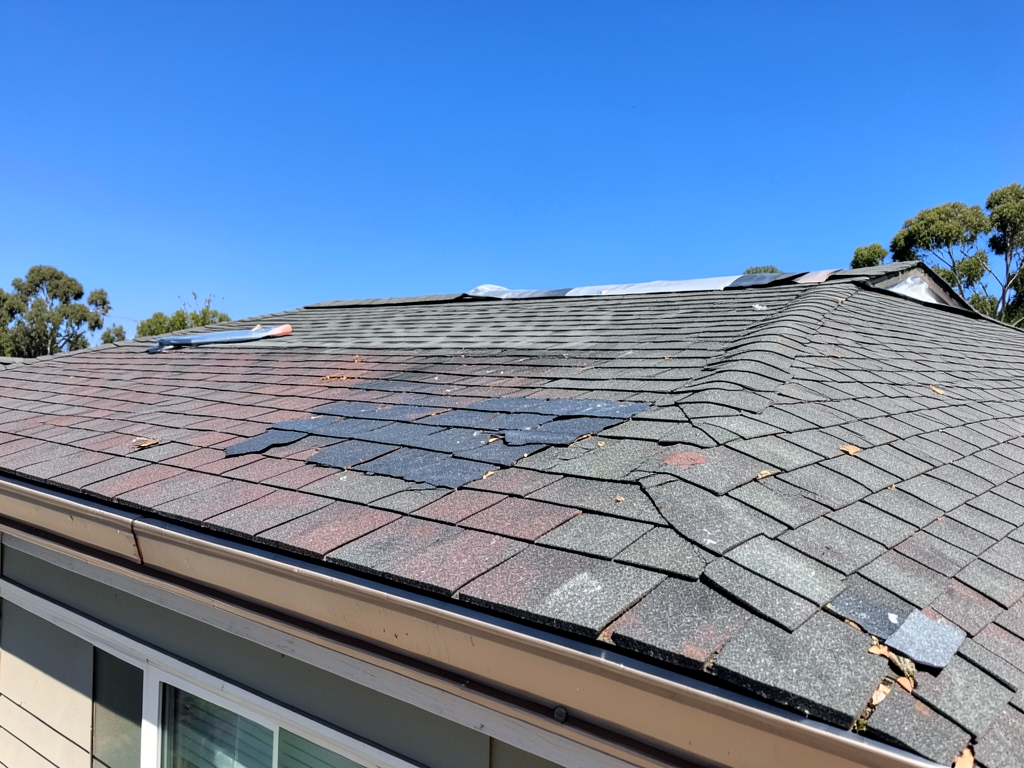
As shingles age, they lose flexibility. Edges curl upward or the center cups downward, creating gaps where wind-driven rain can enter. Curling is most visible on south- and west-facing slopes and is a clear sign that the shingle has passed its prime.
Granule Loss
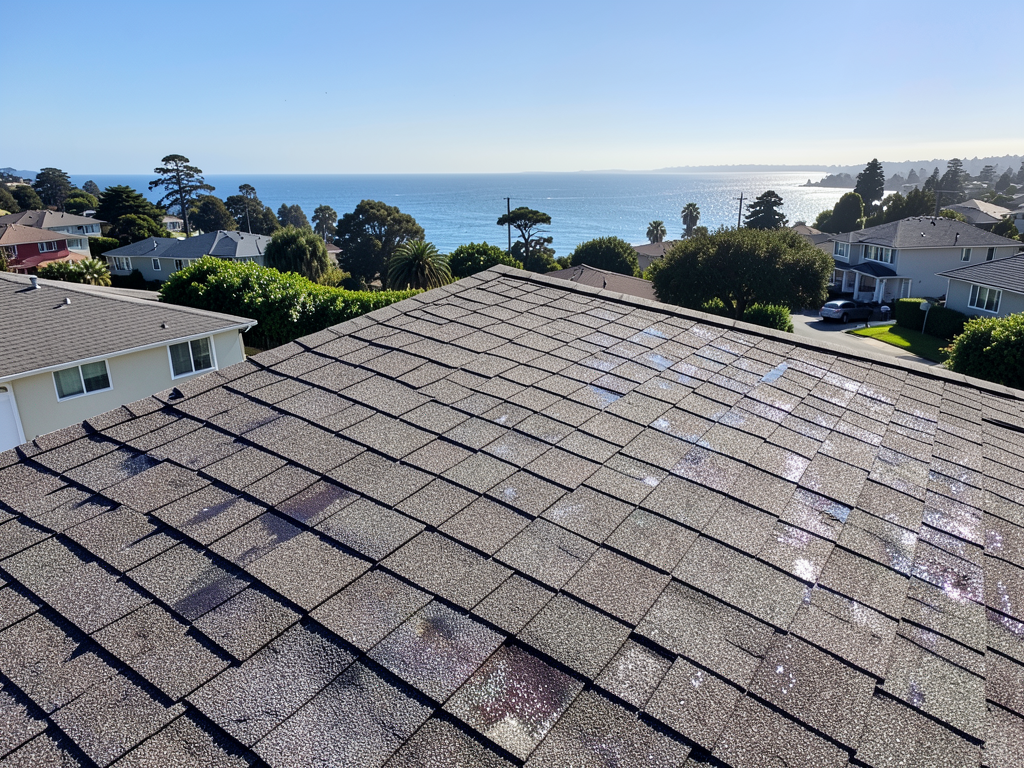
Check gutters and downspouts after rainstorms. A small amount of granule shedding is normal in the first year, but significant accumulation—especially if the shingle surface looks bare or patchy—indicates advanced wear. Granules protect the asphalt from UV damage, and once they are gone, the shingle deteriorates rapidly.
Missing or Damaged Shingles
If windstorms consistently tear off tabs or you notice multiple shingles missing after each weather event, the roof's integrity is compromised. Replacing a few shingles may buy time, but widespread damage suggests the entire roof is nearing the end of its service life.
Ceiling Stains and Interior Leaks
Water stains on ceilings, especially after heavy rain, point to failed flashing, worn shingles, or underlayment failure. If roof repairs become frequent or leaks reappear in new locations, full replacement is often the more economical path forward.
Moss, Algae, and Organic Growth
Green or black streaks on shingles are common in shaded Bay Area neighborhoods. While algae-resistant shingles slow this process, older roofs with heavy moss growth are at risk for moisture retention and shingle lift. Moss roots can work under shingle edges and accelerate weathering.
Sagging or Soft Spots
If any section of the roofline appears to sag or feels soft when walking near the edge, the decking may be compromised by prolonged water exposure. This is a serious issue that requires immediate professional assessment and often signals the need for full tear-off and decking repair during replacement.
Factors That Influence Actual Service Life
Even within the same ZIP code, two homes with similar shingles may experience different lifespans. Several controllable and uncontrollable factors play a role.
Quality of Original Installation
Proper nailing, starter strip placement, flashing detail, and underlayment selection all affect how long a roof performs. Roofs installed by inexperienced crews or during rushed timelines may fail prematurely due to improper attachment or inadequate weather barrier protection.
Roof Pitch and Complexity
Steeper roofs shed water more effectively and tend to last longer than low-slope or nearly flat sections. Complex roofs with multiple valleys, dormers, and penetrations have more potential leak points and require careful flashing, which, if done poorly, shortens overall roof life.
Ventilation and Attic Temperature
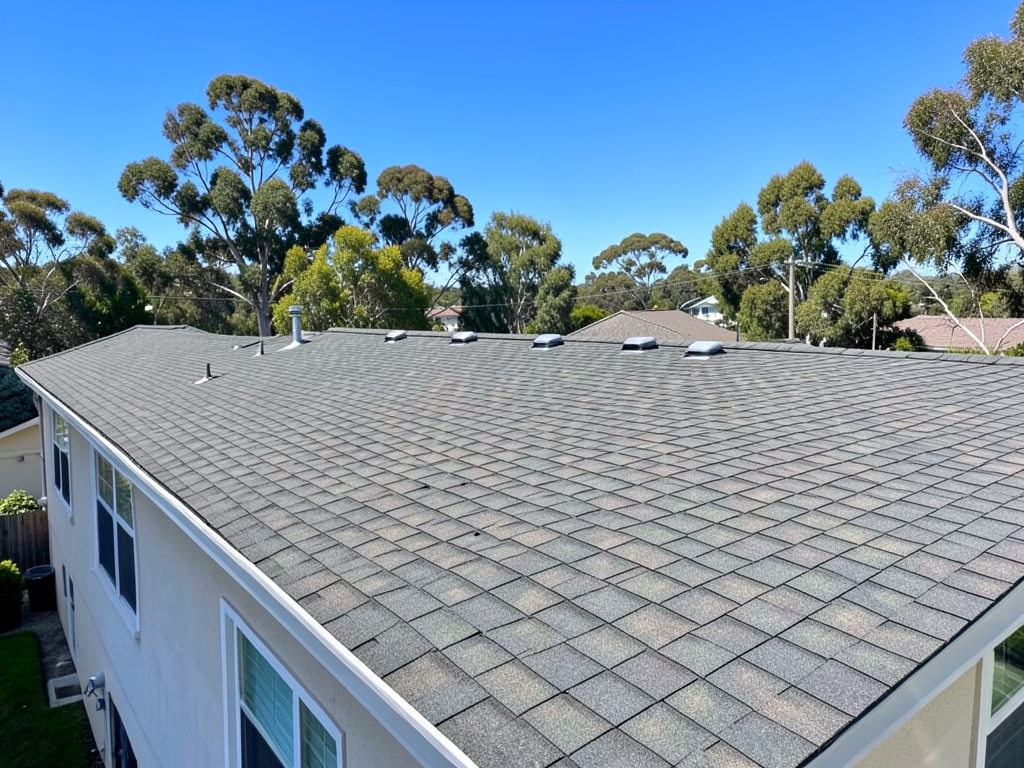
Proper attic ventilation keeps the roof deck cooler and reduces heat buildup that accelerates shingle aging. Homes with inadequate ridge or soffit vents may experience premature shingle failure, especially on inland Peninsula properties where summer temperatures climb. Hot attics also increase cooling costs and can contribute to interior moisture problems.
Maintenance Habits
Homeowners who clear gutters regularly, trim overhanging branches, and schedule periodic roof inspections extend their roof's life. Debris accumulation, standing water in valleys, and unaddressed minor leaks all hasten the need for replacement.
Nearby Trees and Shade
Properties in heavily wooded areas—common in Woodside, Portola Valley, and parts of Los Altos Hills—face faster organic growth and reduced drying time. Shaded roofs stay damp longer, promoting moss and algae, and falling branches or pine needles create wear and debris buildup.
Planning for Replacement Before Urgent Failure
The best time to replace a roof is before leaks, decking damage, or emergency repairs force your hand. Proactive replacement planning allows you to choose timing, compare options, and avoid the stress and higher costs of urgent work during the rainy season.
Schedule a Professional Roof Inspection
If your roof is 15 years old or older, a professional inspection provides a clear picture of remaining service life. Grace Roofing offers condition walkthroughs that review shingle wear, flashing integrity, ventilation performance, and leak-prone areas. Inspections help homeowners in Redwood City, San Mateo, Palo Alto, and across the Peninsula understand whether they have one season or several before replacement is necessary.
Budget and Timing Considerations
Roof replacement is a significant investment, and planning ahead gives you time to budget, explore material options, and schedule work during the dry months. Late spring through early fall is the ideal window for reroofing in the Bay Area, as weather is stable and crews can work efficiently without rain delays.
Coordinating with Other Home Improvements
If you are planning exterior painting, siding work, or solar panel installation, coordinating roof replacement first ensures that all work is done on a sound, long-lasting roof. This avoids the need to remove and reinstall equipment or repaint after roofing crews complete their work.
Understanding Tear-Off vs. Overlay
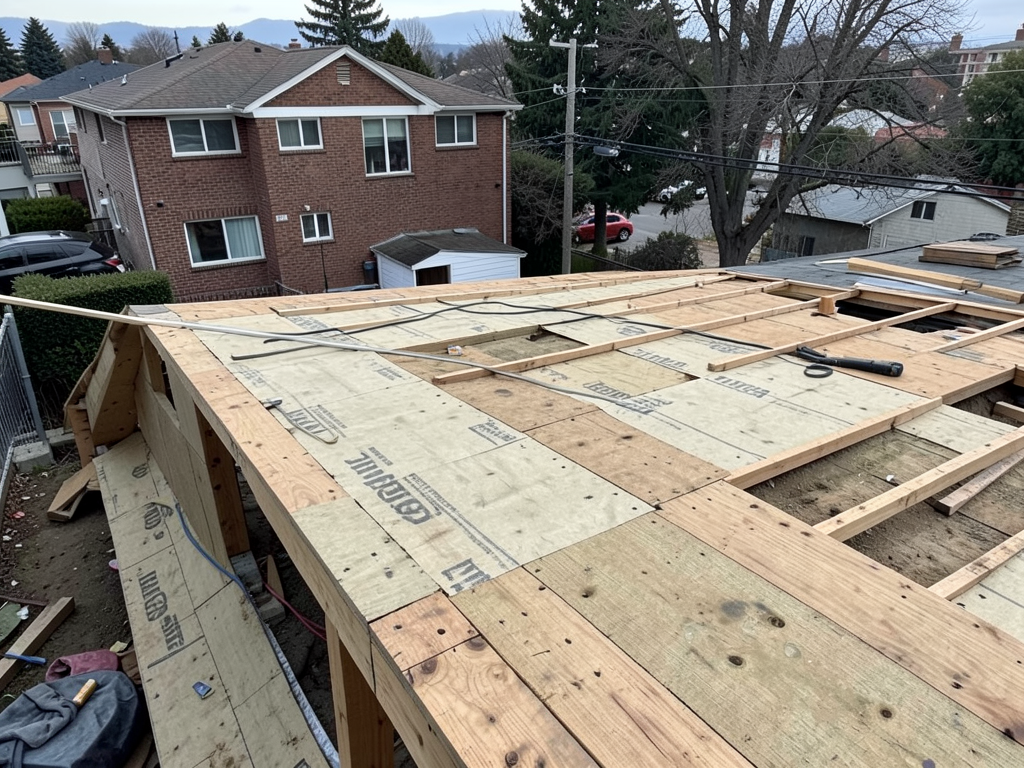
California building code allows one layer of shingles over an existing roof in some cases, but tear-off is generally the better choice. Removing old shingles lets the contractor inspect and repair decking, install modern underlayment, and ensure proper flashing and ventilation. Overlay may be faster and less expensive initially, but it can hide problems and reduce the new roof's effective lifespan.
What Grace Roofing Reviews During a Roof Assessment
Grace Roofing operates under RB Master Builder (CA License #1065203) and provides free roofing consultations for qualified projects. During an assessment, the team reviews several key indicators that help determine remaining roof life and replacement urgency.
Age and Installation History
Knowing when the roof was last replaced and what materials were used provides baseline context. If records are unavailable, visible wear patterns and shingle style help estimate age.
Shingle Condition Across All Slopes
Inspectors walk the roof to check for curling, granule loss, missing tabs, and brittleness. They note differences between sun-exposed and shaded sections and identify areas where wear is most advanced.
Flashing and Penetration Integrity
Chimneys, vent pipes, skylights, and roof-to-wall transitions are common leak points. Inspectors examine flashing for rust, separation, or improper installation and assess whether pipe boots and vent collars need replacement.
Decking and Underlayment Signs
While a full decking review happens during tear-off, inspectors look for soft spots, sagging, or visible damage from the exterior and attic. Water stains on attic framing or insulation indicate past or active leaks and potential decking compromise.
Ventilation and Attic Airflow
Proper ventilation extends roof life and improves energy efficiency. Inspectors assess ridge vents, soffit vents, and attic temperature to determine if upgrades are needed during replacement.
Gutters and Drainage Performance
Clogged or damaged gutters can back water under shingle edges and accelerate wear. Inspectors review gutter condition and recommend cleaning or replacement as part of the roofing project.
Local Considerations for Peninsula and Bay Area Homeowners
Different neighborhoods and microclimates across the Bay Area present unique challenges that affect roof longevity and replacement planning.
Redwood City and Central Peninsula
Redwood City enjoys a moderate climate with warm summers and mild winters. Roofs here face UV exposure on sunny slopes and tree debris in established neighborhoods like Emerald Hills and Friendly Acres. Planning replacement before the October rains ensures dry conditions for installation and immediate storm protection.
San Mateo and Hillsborough
San Mateo's proximity to the Bay brings morning fog and moisture, especially in areas like Baywood and the hillside neighborhoods. Moss and algae growth is common, and homeowners should watch for granule loss and curling as roofs approach 20 years. Hillsborough's large lots and mature trees create shade and organic debris, requiring more frequent gutter maintenance and earlier replacement consideration.
Palo Alto and Menlo Park
Palo Alto's diverse neighborhoods—from Old Palo Alto near Stanford to the Baylands near the water—experience varying sun and moisture exposure. Homes near the Bay face more fog and dampness, while inland properties see hotter summers. Menlo Park's tree-lined streets in neighborhoods like Felton Gables and Allied Arts promote moss growth and shade, which can shorten shingle life by several years compared to sunnier areas.
San Francisco and Coastal Communities
San Francisco's persistent fog, wind, and limited direct sunlight create a challenging environment for asphalt shingles. Roofs in the Sunset, Richmond, and Outer Mission districts stay damp longer and are prone to algae and moss. Wind-driven rain during winter storms tests shingle adhesion, and homeowners should plan for replacement closer to the 20-year mark, especially on older three-tab roofs.
South Bay and East Bay
San Jose and Fremont experience hotter summers and drier conditions than the Peninsula, which accelerates UV-related wear. South-facing slopes in these areas may show significant granule loss and brittleness by year 18 to 20. Wind events and occasional wildfire smoke also contribute to wear, and homeowners should monitor shingle condition closely as roofs age past 15 years.
Steps to Take When Your Roof Is Near the End of Its Life
Once you recognize that your asphalt shingle roof is approaching replacement age, taking proactive steps protects your home and simplifies the planning process.
Document Current Condition
Take photos of visible wear, missing shingles, and any interior stains. This record helps during consultations and provides a baseline if you need to delay replacement by a season.
Schedule a Professional Inspection
A roofing professional can confirm your observations, identify hidden issues, and provide a realistic timeline for replacement. Grace Roofing's inspections include condition walkthroughs, leak-prone area reviews, and maintenance recommendations tailored to your property.
Plan Around the Dry Season
If your roof can last another season, schedule replacement for late spring or summer to avoid rain delays and ensure optimal installation conditions. If leaks or damage are active, emergency protection and temporary repairs can buy time until dry weather returns.
Confirm Permit and HOA Requirements
Most cities on the Peninsula require building permits for roof replacement. Your contractor typically handles this, but it is wise to confirm local requirements. If you live in a homeowners association, check for color or material restrictions before finalizing your shingle selection.
Clear the Work Area
Remove vehicles, patio furniture, and planters from around the house to give crews safe access and protect your belongings from falling debris. Trim back overhanging branches that could interfere with staging or tear-off.
Why Timely Replacement Protects Your Investment
Delaying roof replacement beyond its practical service life increases risk and cost. Small leaks grow into widespread water damage, compromised decking requires expensive repairs, and emergency work during storms comes with premium pricing and limited contractor availability.
Replacing your roof proactively—when shingles show clear signs of aging but before catastrophic failure—gives you control over timing, budget, and material selection. It also protects your home's interior, insulation, and structural framing from water intrusion that can lead to mold, rot, and costly repairs far beyond the roof itself.
Peninsula homeowners who plan ahead enjoy peace of mind during the rainy season, avoid emergency tarping and temporary fixes, and benefit from a full manufacturer material lifespan on their new roof.
Work with a Licensed Roofing Contractor Focused on Quality
Grace Roofing is a roofing-first company, which means reroofing and roof replacement are the priority. The consultation, schedule, and crew are all aligned around the roof system, ensuring clear communication, careful work, and clean jobsite protection. Based at 570 El Camino Real in Redwood City, Grace Roofing serves homeowners within 50 miles across the Peninsula, South Bay, East Bay, and San Francisco.
Whether your roof is 15 years old and you want a professional assessment, or you are seeing active leaks and need replacement planning, Grace Roofing provides free consultations, fast follow-up, and scope explanations in plain language. The company operates under RB Master Builder, a licensed California contractor, and all projects include debris hauling, cleanup, and attention to flashing, ventilation, and weather barrier details that extend the life of your new roof.
If you want to know how much life remains in your asphalt shingle roof, or if you are ready to plan replacement before the next rainy season, call (415) 408-6043 or book a free consultation at graceroofingbayarea.com/book. Grace Roofing is available seven days a week, 8 AM to 8 PM, and inquiries are typically answered within one hour during business hours.
Get a free roofing consultation
Grace Roofing serves Redwood City and the wider Bay Area within 50 miles. Call (415) 408-6043 or book online.
Book a Free Consultation