Reroofing vs Roof Repair Redwood City
Discover the difference between reroofing and roof repair in Redwood City with Grace Roofing. Call us for expert advice and free consultations to protect your home.
Homeowners across Redwood City and the Bay Area Peninsula often find themselves asking the same question when faced with roof damage or aging shingles: should I repair my existing roof or invest in a complete reroofing project? While both options have their place, understanding the differences between reroofing and roof repair can save you thousands of dollars and protect your home from water damage, structural issues, and costly emergency fixes down the road. Grace Roofing helps Bay Area homeowners navigate this decision with transparent guidance, free consultations, and expert insight into what your roof truly needs. Available 7 days a week from 8 AM to 8 PM, our team typically responds to new inquiries within 1 hour, so you can move forward quickly when your roof demands attention.
Understanding the Core Difference Between Reroofing and Roof Repair
At its simplest, roof repair addresses isolated problems on an otherwise functional roof system, while reroofing replaces the entire roof covering to restore performance, extend lifespan, and eliminate the need for ongoing patch jobs. Both services play important roles in residential roofing, but the right choice depends on your roof's age, condition, scope of damage, and your long-term plans for the property.
What Roof Repair Covers
Roof repair focuses on fixing specific problem areas without disturbing the rest of the roof. Common repair scenarios include:
- Isolated leak detection and correction around chimneys, skylights, or penetrations
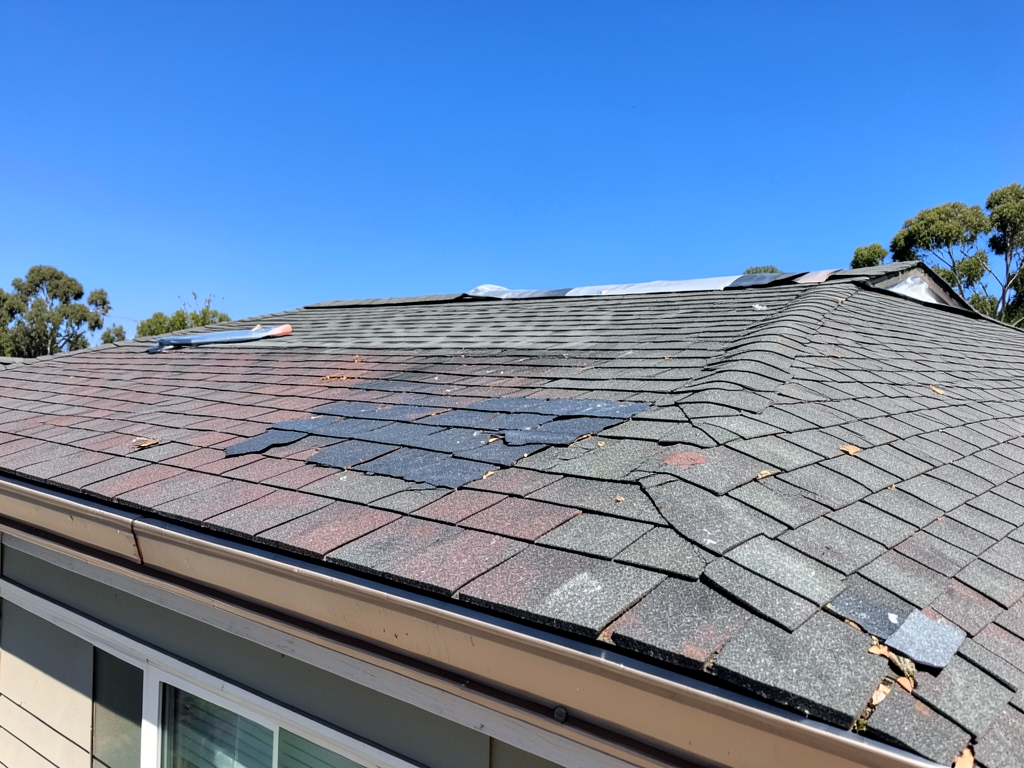
- Replacing damaged or missing shingles after wind events or tree limb strikes
- Pipe boot and vent repairs where rubber seals have cracked or separated
- Flashing corrections at roof-to-wall transitions, valleys, and edges
- Storm and wind damage response when only a small section of the roof is affected
Repairs make the most sense when your roof is relatively young, the damage is localized, and the surrounding shingles remain in good condition. For homeowners in neighborhoods like Redwood Shores, Atherton, or Menlo Park, where homes may have been built or reroofed within the last decade, targeted repairs can extend the roof's useful life without the expense of a full replacement.
What Reroofing Involves
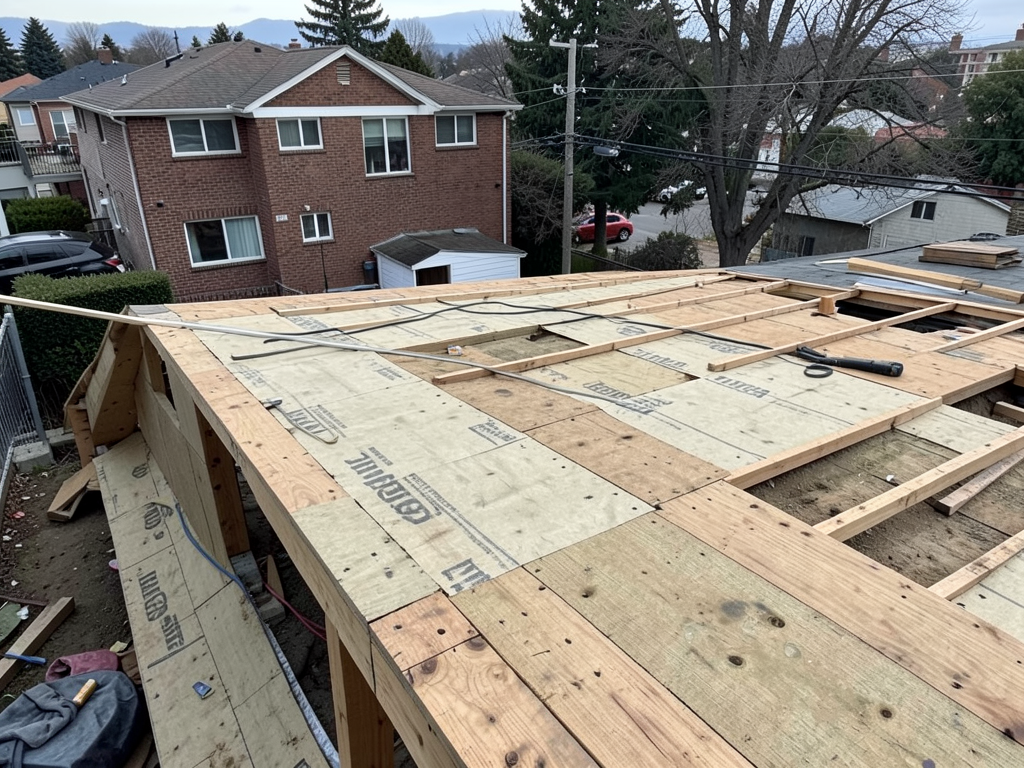
Reroofing is the process of removing the old roof covering—or in some cases installing new shingles over one existing layer—and applying a complete new roof system. A typical reroofing project includes:
- Full roof tear-off or overlay application depending on existing layer count and condition
- Decking and underlayment review and replacement where wood has deteriorated or become water-damaged
- Ventilation and flashing upgrades to meet current best practices and reduce future leak risk
- Shingle and component replacement across the entire roof surface
- Clean jobsite protection with debris hauling and cleanup to leave your property ready for use
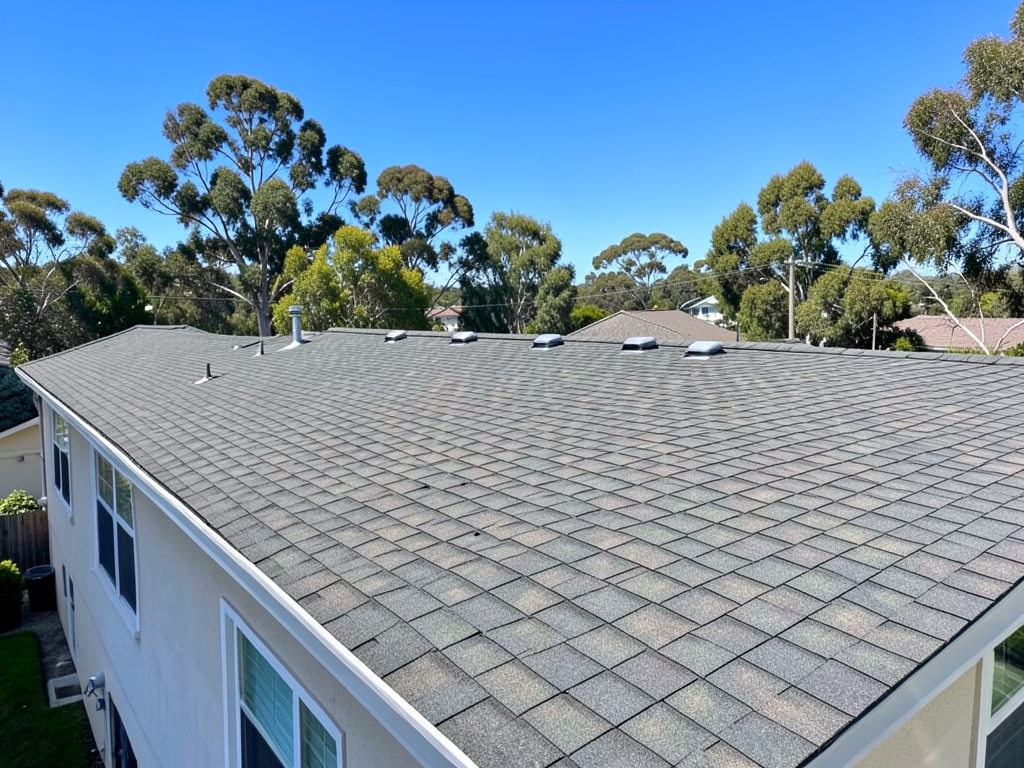
Reroofing resets the clock on your roof's lifespan, eliminates hidden damage, and provides a uniform appearance and warranty coverage across the entire structure. Homeowners throughout San Carlos, Burlingame, and Hillsborough often choose reroofing when their roofs reach 18 to 25 years of age, show widespread wear, or have experienced multiple repair cycles that no longer justify the ongoing expense.
Signs Your Bay Area Roof Needs Reroofing Instead of Repair
Knowing when to transition from repair to reroofing is one of the most important decisions a homeowner can make. Repairing an old or failing roof can become a cycle of diminishing returns, where each new leak requires another patch and the underlying system continues to deteriorate.
Age and Wear Assessment
Asphalt shingle roofs in the Bay Area typically last between 20 and 30 years, depending on product quality, installation standards, ventilation, and exposure to coastal moisture and UV radiation. If your roof is approaching or beyond its expected lifespan, reroofing provides better long-term value than repeated repairs. Grace Roofing conducts thorough condition walkthroughs and age assessments to help you understand where your roof stands in its lifecycle.
Multiple Leak Points
When leaks appear in several locations—especially during winter atmospheric river storms or after heavy rain events—the problem is often systemic rather than isolated. Widespread leaks suggest that the underlayment, flashing, or shingle adhesion has failed across large sections of the roof. In these cases, spot repairs may stop one leak but leave others undetected until the next storm cycle.
Curling, Cracking, or Missing Shingles
Shingles that curl at the edges, crack across the tabs, or blow off in moderate wind are showing signs of age-related brittleness. Once shingles lose their flexibility and granule coating, they can no longer seal properly or shed water effectively. If you notice these issues across multiple roof planes, it's a strong signal that reroofing will provide more reliable protection than piecemeal shingle replacement.
Granule Loss and Bare Spots
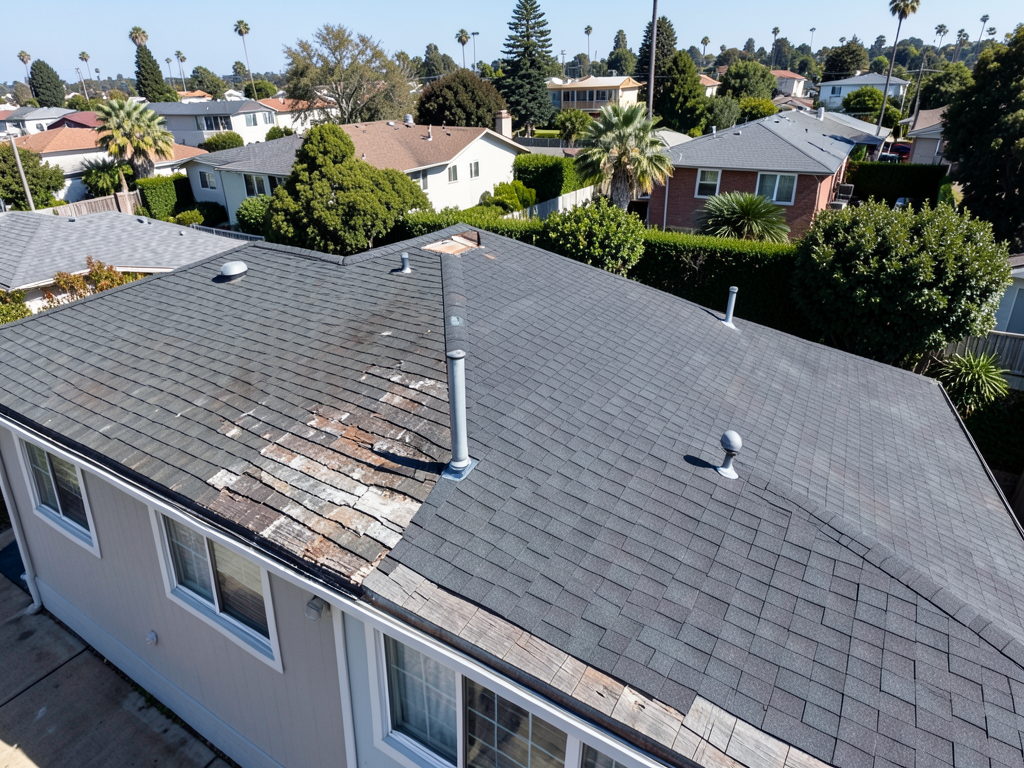
Asphalt shingles rely on a granule coating to protect the underlying asphalt from UV damage and weathering. When granules wash into gutters or leave bare patches on the shingle surface, the roof's protective layer is compromised. This is especially common on south- and west-facing slopes in areas like Palo Alto and Mountain View, where summer sun exposure accelerates wear. Granule loss across the roof indicates that the shingles are nearing the end of their effective lifespan.
Sagging or Soft Decking
If you notice sagging areas, soft spots, or visible dips in the roofline, the roof decking may have suffered water damage over time. This type of structural issue cannot be addressed with surface repairs alone. A proper reroofing project will include decking inspection and replacement where needed, ensuring a solid foundation for the new roof system.
When Roof Repair Is the Right Choice
Repair remains the most cost-effective and appropriate solution in several common scenarios. Understanding when repair makes sense helps you avoid unnecessary expense while still protecting your home from water intrusion and further damage.
Recent Roof with Isolated Damage
If your roof was installed or replaced within the last 10 years and has suffered isolated damage from a fallen branch, localized wind uplift, or a single flashing failure, targeted repair is almost always the right choice. The rest of the roof remains serviceable, and a skilled contractor can match existing shingles and restore the damaged section without compromising the overall system.
Storm and Wind Damage Response
After a significant storm, you may find a handful of shingles blown off or a tree limb puncture in one section of the roof. As long as the damage is limited and the surrounding shingles remain intact, roof repair services can address the issue quickly and affordably. Grace Roofing provides photo-based findings when possible, so you can see the extent of the damage and understand the repair scope before any work begins.
Budget Constraints with a Functional Roof
If your roof is showing minor wear but still has several years of life remaining, and your budget doesn't allow for a full reroofing project, repairs can buy you time. This approach works best when the roof's overall condition is still good, and you plan to address reroofing within the next few years. Homeowners in communities like Foster City and San Bruno often use strategic repairs to bridge the gap until they're ready for a complete replacement.
Pre-Sale or Pre-Purchase Repairs
When preparing a home for sale, or addressing inspection findings after an offer, targeted repairs can resolve buyer concerns without the timeline and expense of a full reroof. Similarly, buyers who inherit a home with a functional roof but a few known issues may choose to repair first and plan for reroofing later. Grace Roofing works with homeowners, property managers, and real estate professionals to provide clear repair recommendations and realistic replacement planning timelines.
Tear-Off vs. Roof Overlay: What Reroofing Approach Is Best?
When reroofing is the right choice, homeowners often face a secondary decision: should the old shingles be torn off completely, or can new shingles be applied over the existing layer? Both methods fall under the reroofing umbrella, but they differ significantly in cost, performance, and long-term value.
Full Roof Tear-Off
A tear-off reroofing project removes all existing shingles, felt or underlayment, and exposed nails down to the roof decking. This approach allows the roofing crew to:
- Inspect the decking for rot, water damage, or structural issues that would remain hidden under an overlay
- Install modern synthetic underlayment for superior water resistance and longevity
- Upgrade ventilation, flashing, and edge details to current best practices
- Ensure uniform shingle adhesion and appearance without the irregularities caused by layering over old material
- Maximize the new roof's lifespan by starting with a clean, sound substrate
Tear-off reroofing is the preferred method for homes with existing damage, multiple shingle layers, or roofs that have reached the end of their service life. It also meets local building code requirements in many Bay Area jurisdictions, where overlays may be restricted or prohibited depending on the number of existing layers.
Roof Overlay
An overlay reroofing project installs a new layer of shingles directly over the existing roof, provided only one layer is present and the decking is in good condition. Overlays offer a lower upfront cost and faster installation, but they come with trade-offs:
- Hidden decking problems remain unaddressed and may worsen over time
- Additional weight is added to the roof structure, which may be a concern for older homes
- The new shingles conform to the surface irregularities of the old roof, which can affect appearance and performance
- Future reroofing projects will require removal of both layers, increasing labor and disposal costs down the line
Overlays can be a practical short-term solution for budget-conscious homeowners with structurally sound roofs, but they should be approached with a clear understanding of the limitations. Grace Roofing provides transparent guidance on both options during your free consultation, so you can make an informed decision based on your roof's condition, your budget, and your long-term plans for the property.
What Affects the Cost of Reroofing vs. Repair?
Understanding the factors that drive roofing costs helps you evaluate whether repair or reroofing offers better value for your specific situation. While Grace Roofing does not publish pricing without a consultation, the following variables consistently influence project scope and investment:
Roof Size and Pitch
Larger roofs require more materials and labor, and steeper pitches demand additional safety measures, specialized equipment, and slower work pace. Homes in hilly areas like the Woodside hills or the steep streets of San Francisco's outer neighborhoods often have complex roof planes that increase both repair and reroofing costs.
Access and Site Conditions
Tight access, limited staging areas, and landscaping protection requirements all affect labor efficiency. Properties with narrow driveways, mature trees, or close neighbors may require hand-carrying materials and additional jobsite protection measures.
Layers to Remove
If your home already has two layers of shingles, any reroofing project must include full tear-off and disposal of both layers. This adds labor time and dump fees compared to a single-layer tear-off or an overlay application.
Decking Condition
Water-damaged or rotted decking requires replacement before new shingles can be installed. The extent of decking work is often unknown until the old roof is removed, which is why tear-off projects occasionally reveal additional needs. Grace Roofing provides clear explanations when decking issues are discovered, so you understand the scope and reasoning behind any additional work.
Flashing and Ventilation Upgrades
Reroofing projects offer an ideal opportunity to upgrade outdated flashing systems, improve attic ventilation, and address edge details that may not meet current standards. These upgrades improve the roof's long-term performance and are often more cost-effective when bundled with a reroofing project than performed as standalone repairs.
Materials and Components
The choice of shingles—whether architectural, three-tab, or premium—affects both material cost and expected lifespan. Underlayment type, starter shingles, ridge caps, and ventilation components also contribute to the overall investment. Grace Roofing discusses material options during consultations, helping you balance upfront cost with long-term durability.
Making the Decision: Questions to Ask During Your Consultation
Whether you're considering repair or reroofing, a thorough consultation with a licensed roofing contractor is the best way to understand your options. Grace Roofing operates under RB Master Builder (CA License #1065203) and provides free consultations for qualified projects. During your consultation, consider asking:
- What is the current condition of my roof decking and underlayment? This information is critical for determining whether overlay or tear-off is appropriate.
- How much life does my existing roof have left? An honest assessment helps you decide whether repairs will provide meaningful longevity or simply delay the inevitable.
- What specific issues are causing the leaks or damage? Understanding the root cause helps you evaluate whether repair or reroofing is the right solution.
- What ventilation and flashing improvements should be considered? Upgrading these systems during reroofing can prevent future issues and improve energy efficiency.
- What is the timeline for this project, and how does weather affect scheduling? Bay Area reroofing projects are best scheduled during the dry season, but emergency repairs may be needed during the rainy months.
Grace Roofing explains scope, project fit, timing, and next steps in plain language, so you leave the consultation with a clear understanding of your options and the reasoning behind each recommendation. Our team is available 7 days a week, and new inquiries are typically answered within 1 hour during business hours, so you can move forward without delay.
Protecting Your Bay Area Home: Seasonal Considerations
The decision between reroofing and repair is often influenced by the time of year and upcoming weather patterns. The Bay Area's wet season, which typically runs from October through April, brings atmospheric river storms, sustained rainfall, and increased leak risk. Planning ahead helps you avoid emergency situations and ensures your roof is ready when the rains arrive.
Pre-Season Roof Inspections
Scheduling a roof inspection in late summer or early fall allows you to identify and address issues before the first storms. If your roof shows signs of aging or damage, a late-season reroofing project can provide peace of mind throughout the wet months. If only minor repairs are needed, completing them before October reduces the likelihood of leaks during heavy rain events.
Emergency Repairs During the Rainy Season
When leaks occur during winter storms, immediate response is critical. Grace Roofing offers emergency roof protection with urgent leak response, temporary protection guidance, and damage documentation. While full reroofing projects are best scheduled during dry weather, targeted repairs can often be completed even during wet conditions to prevent further interior damage.
Summer Planning for Fall Reroofing
The dry months from May through September provide ideal conditions for reroofing projects. Crews can work efficiently without weather delays, materials cure properly, and homeowners can schedule projects around family travel and other commitments. If you know your roof is nearing the end of its lifespan, planning a summer or early fall reroofing project ensures you're protected before the wet season begins.
Local Expertise for Redwood City and the Bay Area Peninsula
Grace Roofing is based at 570 El Camino Real in Redwood City and serves homeowners within 50 miles across the Peninsula, South Bay, East Bay, and San Francisco. Our familiarity with local building practices, climate challenges, and neighborhood-specific roofing concerns allows us to provide accurate, relevant recommendations whether you're in downtown Redwood City, along the Bayfront, in the Emerald Hills, or anywhere throughout San Mateo County and beyond.
We understand how coastal fog and moisture affect shingle longevity, how summer sun accelerates granule loss on south-facing slopes, and how winter storms test every weak point in a roof system. This local knowledge informs every consultation, inspection, and project we undertake, ensuring that your reroofing or repair work is tailored to the unique demands of Bay Area homeownership.
Ready to Move Forward?
Whether your roof needs targeted repair or a complete reroofing project, Grace Roofing provides transparent guidance, responsive service, and careful workmanship. Our team is available 7 days a week from 8 AM to 8 PM, and new inquiries are typically answered within 1 hour. Call (415) 408-6043 or book a free consultation online at https://www.graceroofingbayarea.com/book to discuss your roof's condition, explore your options, and receive a clear explanation of scope, timing, and next steps.
Get a free roofing consultation
Grace Roofing serves Redwood City and the wider Bay Area within 50 miles. Call (415) 408-6043 or book online.
Book a Free Consultation